

Look.
I am going to tell you something that might surprise you.
Most days I do not feel like a director.
I feel like the same scared tech who used to hide in the supply closet when things got hard.
The title does not change who you are inside. It just gives you more responsibility and less sleep.
Someone asked me last month how I got here. I thought about it for a minute. Then I said “I have no idea.”
Because I do not.
I just kept showing up. Kept saying yes when people asked for help. Kept staying late when everyone else went home.
One day the old director walked out. My boss looked at me and said “you want the job?”
I said yes before my brain could say no.
That was eleven years ago. I have cried in my car three times. I have wanted to quit more times than I can count. I have made decisions that still haunt me.
But I am still here.
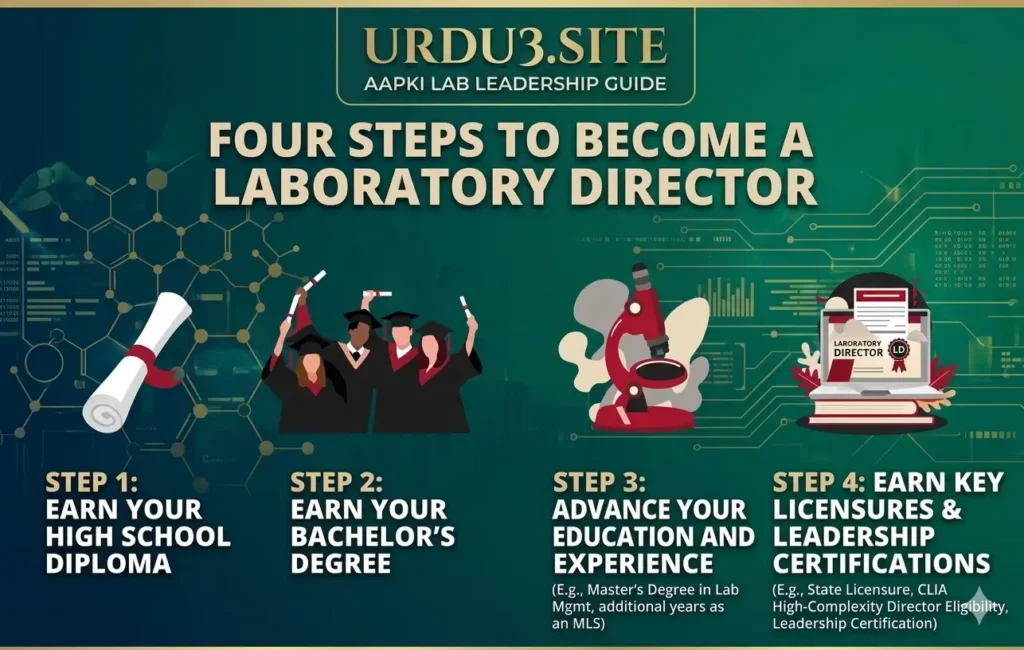
And if you want to How to become a Laboratory Director? I want to help you do it better than I did.
What Nobody Warned Me About
The loneliness.
Seriously.
Nobody talks about this.
When you are a regular tech, you have your people. You eat lunch together. You complain about the supervisor together. You laugh about the stupid emails together.
When you become the director? You are not one of them anymore.
People stop inviting you to lunch. Not because they hate you. Because they feel weird eating in front of the boss.
They stop complaining to you. They complain about you.
They do not tell you about problems until the problems are huge. Because they are scared you will get mad. Or they think you are too busy. Or they just do not trust you yet.
My first year, I thought everything was fine. Everyone smiled at me. Nodded when I talked. Said “yep, everything is great.”
Then three people quit in one week.
I was shocked. Had no idea they were unhappy.
That is when I learned. Smiles mean nothing. Nods mean nothing. “Everything is great” means nothing.
You have to actually ask. And then shut your mouth and listen. And then do something with what you hear.
Took me way too long to figure that out.
A Real Day. Not The Fake Version.
Let me walk you through yesterday.
Got up at 6 AM. Checked my phone. Three messages from overnight shift. Nothing urgent. Thank god.
Got to the lab at 7:20. Walked through. Looked at the whiteboards. Saw what was pending. Saw what was broken.
Overnight shift had a problem with the coag analyzer. They fixed it themselves. I made a note to thank them at the huddle.
Huddle at 7:45. Two minutes. Anyone need anything? Anyone short? Any equipment acting up? No? Good.
Went to my desk. Emails. Forty something emails. Most of them garbage. Deleted half without reading. Flagged five that needed answers. Moved on.
At 9 AM, the freezer alarm went off. Someone left the door open. Temperature was climbing. I ran over there. Closed it properly. Reset the alarm. Sent a reminder email that everyone will ignore.
At 10 AM, meeting with finance. They wanted to know why we spent so much on reagents last month. I showed them our test volumes were up 15 percent. They nodded. Did not really understand. Approved the budget anyway.
At 11 AM, back in the lab. A young tech was struggling with a new assay. I watched her for a few minutes. She was doing everything right. She just did not believe in herself yet. I told her she had it. She smiled. That felt good.
Lunch at 12:30. A sad desk lunch. Turkey sandwich. Ate it in five minutes while looking at next week’s schedule.
At 1 PM, a doctor called. Yelling. A result was late. I let him yell for a minute. Then I apologized. Explained what happened. He was still mad but less mad. Sometimes that is the best you can hope for.
At 2 PM, two techs came to my office. They were fighting about weekend coverage. I listened to both sides for fifteen minutes. Did not take sides. Asked them to come up with a solution together. They did. I approved it. They left still annoyed but not at each other anymore.
At 3:30 PM, I realized I had not looked at tomorrow’s schedule. Two people were out. I texted someone to ask if they could come in early. They said yes. Thank god.
At 5 PM, I left. But my phone stayed on. Because something always happens at night.
That is the job. Not glamorous. But real.
Who Should Not Do This
Let me save you some pain.
If any of this sounds like you, please stay at the bench.
You need to be right all the time. Directors are wrong constantly. We make calls with half the information. Sometimes we guess wrong. If that destroys you, do not do this.
You hate meetings. There are so many meetings. Meetings about budgets. Meetings about schedules. Meetings about meetings. If meetings make you want to scream, stay where you are.
You think paperwork is stupid. Regulations are paperwork. Inspections are paperwork. Documentation is paperwork. If you cannot take it seriously, you will fail an inspection and it will be your fault.
You cannot handle conflict. Two techs stop talking. Someone files a complaint. A doctor yells at you. This happens all the time. If you hide from it, it gets worse and worse until it explodes.
I am not saying this to scare you. I am saying it because I wish someone had told me.
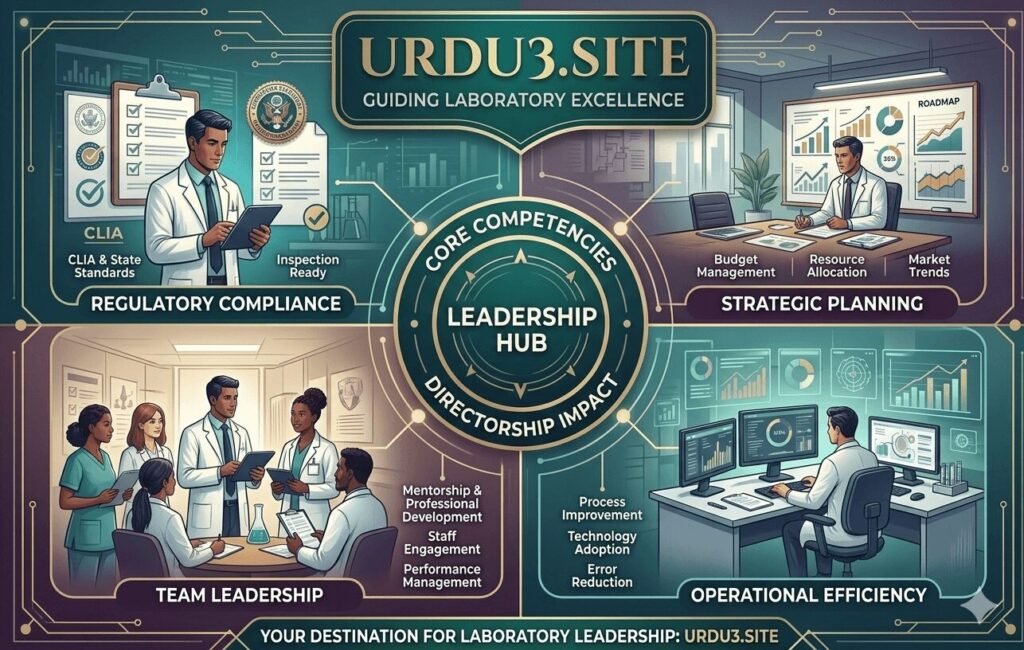
The people who last in this job are not the smartest scientists.
They are the ones who can do these things.
Stay calm when everyone else is panicking. The freezer dies. Samples are warming up. Everyone is looking at you. If you freeze, you are done. If you start directing people, you will be fine.
Listen more than you talk. Your staff knows things you do not. If you are always giving answers, you will never hear the problems.
Take the blame. Something goes wrong. It might not be your fault. Does not matter. Say “that is on me, let us fix it.” Your team will remember that forever.
Give away the credit. Someone does something good. Tell everyone. Send an email. Brag about them. They will work harder for you.
Say no. To new tests you cannot run well. To equipment you cannot afford. To projects that do not make sense.
Say yes. To good ideas from junior people. To reasonable requests. To help when you need it.
None of this is in any textbook. But it is what separates the directors who last from the ones who burn out and leave.
The Money

Everyone asks. So let me just tell you.
A friend of mine runs a small lab in a rural town. She makes about $90,000. She lives in a cheap area. Her mortgage is $1,200. She is fine.
Another friend runs a medium lab in a city. He makes around $125,000. His wife works too. Two kids. They are comfortable.
I run a large lab in a big hospital system. I make $165,000. I also work too much. My phone is always on. I have missed things I wish I had not.
A woman I know runs labs for a national company. She makes over $200,000 plus bonuses. She has also been divorced twice.
I am not saying those things are connected. But I am not saying they are not.
The Bureau of Labor Statistics says this job is growing 28 percent over the next ten years. That is real. Labs need leaders.
But do not do this just for the money. The money comes with a lot of strings.
How To Actually Do This
Forget the career guides. Here is what works.
Get the degree.
Yeah. You need a doctorate. I cannot change that.
PhD in something real. Chemistry. Biology. Molecular bio. Microbiology. Clinical lab science.
MD if you want clinical labs. Different path. More school. More debt.
PharmD works but you will have fewer options.
Here is the secret. Where you go to school barely matters. What you do there matters. Publish something. Present at a conference. Actually learn to think.
A scrappy kid from a state school who works hard will beat a lazy Harvard grad every single time.
Spend time at the bench.
Five years minimum. Ten is better.
You cannot lead a lab if you have never been cold at 3 AM moving reagents because the heat failed.
You cannot lead a lab if you have never had to call a doctor and say “we need to rerun that sample” with your heart pounding in your throat.
You cannot lead a lab if you have never cleaned up someone else’s mess and stayed late without complaining.
Work in different labs if you can. Academic. Clinical. Industry. Each one teaches you something different.
Get certified.
For clinical labs? Board certification is the law. ABCC. ABMM. ABP. Pick one.
I failed my first attempt. Sat in my car and just stared at the dashboard for twenty minutes.
Studied harder. Passed the second time.
For research or industry? Less strict. But ASCP helps. Quality certs help.
The certification proves you are serious. That is why it matters.
Lead something right now.
Do not wait for a promotion.
Train the new person. Run the safety committee. Fix something broken without being asked. Mentor an intern.
These seem small. They are not.
People notice.
Talk to people.
I know you hate this. I hate it too.
But most director jobs never get posted online. They get filled by someone who knows someone.
Go to a conference. Sit next to a stranger at lunch. Ask what they are working on. Actually listen.
That is not slimy. That is just being human.
Do not rush.
This is hard to hear.
I have seen brilliant people become directors too young. They got the title. Then they failed.
And once you fail as a director? People talk. It is hard to get another chance.
Better to wait two extra years and be ready.
Education Options
PhD. 4 to 7 years. Small stipend. Best for research and industry.
MD. 7 to 8 years plus residency. Huge debt. Best for clinical labs.
Master’s. 2 to 3 years. Cheaper. But you compete against people with doctorates.
For most people, the PhD is the smartest path.
Skills That Actually Matte
Job postings ask for LIMS and PCR and quality systems. Yes. You need those.
But here is what they do not ask for.
Knowing when to shut up. Your staff knows things you do not.
Admitting you are wrong. Do it fast. Do it public. People trust you more.
Staying calm when everything is on fire. Because it will be. Your team looks at your face.
Saying no. To things you cannot do well.
Saying yes. To good ideas from junior people.
These take years. Start practicing now.
Mistakes I Have Seen Smart People Make
Thinking the degree was enough. It is not.
Hiding from regulations. You cannot.
Staying in one lab too long. Move around every few years.
Not building relationships. The person you help today might hire you tomorrow.
Applying too early. Getting the job before you are ready is worse than not getting it.
Being a jerk. You can be brilliant and awful. But you will not last.
Questions People Actually Ask
Do I need a license? For clinical labs in some states. California. New York. Florida. Research labs? Usually not.
Can I do this without a PhD? Maybe. But it is harder. Some doors stay closed.
How long does this take? Ten to fifteen years after college. The time passes anyway.
Lab manager vs lab director? Manager runs the day. Director owns everything. Big difference.
Can I work from home? Not really. You need to be there.
One Last Thing
I have watched a lot of people try this job.
The ones who make it are not the smartest. They are not the most published. They do not have the fanciest degrees.
They care about their people. They learn from their mistakes. They stay curious. They do not let the hard days break them.
This job will test you.
Bad mornings. Hard inspections. Problems that follow you home.
But also moments.
When a young scientist figures something out because you believed in them. When an inspection goes perfectly. When someone who used to work for you calls to say thanks.
Those moments make it worth it.
So if you want to become a laboratory director?
Start today.
Train someone. Fix something. Learn one new thing.
Your future lab is waiting. Go build it.